Designing Effective Teams

Team-based primary care is one of Ontario’s most powerful tools for improving access, quality, equity, and sustainability. We’re leading the movement to help teams in Ontario grow coherently, and grow together.

Your Voice. Your Impact.

Every person connected to Ontario’s primary care system has the power to create change. Whether you are part of primary care team, an individual clinician, a partner organization, or a member of the public, there is a role for you in strengthening team-based care primary across Ontario.

Evidence-Based Interprofessional Collaboration

High-functioning, evidence-based teams are the foundation of high-quality primary care. Decades of research and practice experience show that when care is delivered through well-designed, interprofessional teams, patients experience better access, better outcomes, and more coordinated, continuous care.

Models such as the Patient’s Medical Home, emerging Health Home approaches, and the National Team Primary Care Project all point to the same conclusion: no single provider can meet the full range of patient needs alone. Effective teams improve preventive care, chronic disease management, and patient experience, while also supporting provider well-being and system sustainability.

What distinguishes effective teams isn’t simply who is on them — it’s how they are designed and supported. Evidence consistently highlights the importance of:

A Trusted Home for Team-Based Primary Care in Ontario

We act as an integrator across professions to strengthen how teams collaborate.

AFHTO is your trusted home for team-based primary care. We’re on a mission to build a shared understanding of how team-based primary care actually works: who is part of a team, how roles function together in practice, and how teams can be designed to deliver high-quality, high-impact care, in partnership with professional associations.

Understanding Roles Across the Team

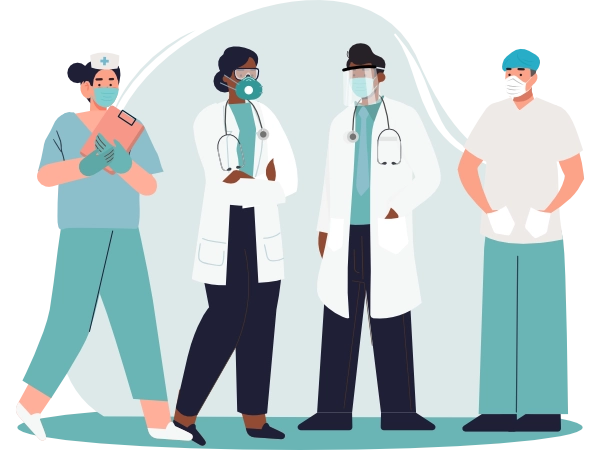
Team-based primary care works best when roles are designed to complement, and not compete, with one another. This illustration is a helpful tool to show how different professionals collaborate around patients, with some roles providing continuous care and others offering specialized expertise as needs arise:

Click on each professional to learn more!

Managerial and administrative staff, and team leaders, are foundational to the success of team-based primary care. We look forward to building content that highlights, supports, and celebrates the vital roles these team members play. Stay tuned

Building a Future-Focused System

Team-based primary care is not just a staffing decision. It’s an intentional choice to build a system that not only meets the needs of current patients, but anticipates and responsibly manages future demands on the healthcare system.

Through team-based care, we’re bypassing fragmentation and creating a unified and thoughtful approach to care, where professionals practice at their full potential and patients receive the coordinated, high quality care they deserve.

Overview of Role in Team

Chiropractors provide musculoskeletal assessment and management within primary care teams, focusing on spine and joint health. They collaborate with physicians, physiotherapists, and other providers to improve mobility, reduce pain, and promote functional recovery.

Scope of Practice

  • Assessment, diagnosis, and management of neuromusculoskeletal conditions
  • Manual therapy and spinal manipulation
  • Exercise prescription and rehabilitation strategies
  • Patient education

Opportunities for High Impact

  • Reduce pain and improve functional mobility in team settings
  • Support conservative musculoskeletal care to reduce medication reliance
  • Early intervention for acute injuries to prevent chronic disability

Overview of Role in Team

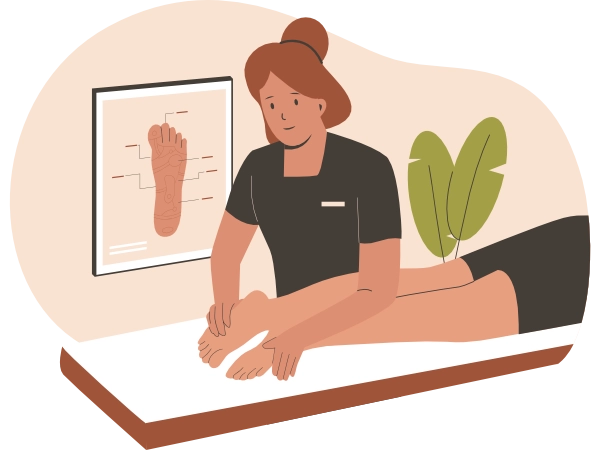
Chiropodists assess, treat, and prevent foot and ankle disorders as regulated primary health care practitioners. Within primary care teams, they collaborate with physicians, nurses, and other providers to optimize foot health, prevent complications, improve mobility, and provide education to patients and teams.

Scope of Practice

  • Regulated primary health care provider focusing on foot and lower limb care
  • Perform assessment, diagnosis, treatment, wound care, and minor surgical procedures on the foot
  • Provide biomechanical assessment, orthotic prescription, and patient education

Opportunities for High Impact

  • Enhance mobility and comfort through foot care
  • Prevent diabetic foot ulcers and other complications via early assessment
  • Support team‑based education on foot health and injury prevention

Overview of Role in Team

Family physicians are the core providers and lead clinicians in primary care teams, delivering continuous, comprehensive, person-centered care across the lifespan. They diagnose, treat, prevent illness, and coordinate team-based care, serving as the main point of contact for patients.

Scope of Practice

  • Comprehensive assessment and diagnosis
  • Acute and chronic disease management
  • Preventive care, screening, immunizations
  • Mental health care and referrals
  • Care coordination

Opportunities for High Impact

  • Continuity of care linked to improved health outcomes
  • Early detection and management of chronic disease
  • Reduced hospitalizations through coordinated team care
  • Leadership in team-based primary care

Overview of Role in Team

Kinesiologists assess and improve physical function and performance through movement science. Within primary care teams, they collaborate with physicians, physiotherapists, and occupational therapists to provide rehabilitation, injury prevention, chronic disease management, and wellness promotion.

Scope of Practice

  • Assessment of human movement and function
  • Develop and implement individualized exercise and rehabilitation programs
  • Injury prevention, rehabilitation, and wellness promotion
  • Work in community, hospital, and primary care settings

Opportunities for High Impact

  • Promote physical activity and prevent injury
  • Support rehabilitation post-surgery or illness
  • Collaborate in chronic disease management to improve mobility and independence

Overview of Role in Team

Nurse Practitioners (NPs) provide autonomous and team-based care in primary care, including diagnosis, management, prescribing, and preventive health. They integrate seamlessly into family health teams to provide continuity of care and manage complex patients.

Scope of Practice

  • Conduct patient assessments, order and interpret diagnostic tests
  • Diagnose and treat acute/chronic conditions
  • Prescribe medications and refer to specialists
  • Provide health promotion and disease prevention education

Opportunities for High Impact​

  • Improve access to care for underserved populations
  • Reduce primary care wait times
  • Manage complex chronic conditions in collaboration with teams

Overview of Role in Team

Occupational therapists (OTs) optimize patients’ functional abilities in daily life. Within primary care teams, they work with patients, families, and interprofessional teams to support independence, self-management, and participation in work, school, and community activities.

Scope of Practice

  • Assess physical, cognitive, and psychosocial function
  • Develop and implement intervention plans for daily living, work, and leisure
  • Recommend adaptive equipment and environmental modifications
  • Collaborate with other health professionals

Opportunities for High Impact

  • Enable patients to maintain independence and safety at home
  • Support return-to-work and community integration
  • Provide self-management strategies for chronic disease

Overview of Role in Team

Pharmacists contribute medication expertise within primary care teams, optimizing pharmacotherapy, conducting medication reviews, managing chronic disease, and educating patients on safe and effective medication use.

Scope of Practice

  • Dispense prescription medications and counsel patients
  • Conduct comprehensive medication reviews
  • Collaborate with prescribers on therapy adjustments
  • Participate in chronic disease management programs

Opportunities for High Impact

  • Optimize medication adherence and safety
  • Support chronic disease control through drug therapy management
  • Reduce polypharmacy and adverse drug events

Overview of Role in Team

Physician Assistants (PAs) provide medical assessment, diagnosis, and treatment under physician supervision. In primary care teams, they enhance access to care, support chronic disease management, and provide continuity for acute and preventive care.

Scope of Practice

  • Perform medical histories and physical exams
  • Order and interpret investigations
  • Prescribe medications and provide treatments under supervision
  • Support patient education and follow-up care

Opportunities for High-Impact

  • Improve patient access and continuity of care
  • Support chronic disease monitoring
  • Reduce physician workload and enhance team efficiency

Overview of Role in Team

Physiotherapists assess and treat movement, mobility, and musculoskeletal conditions. Within primary care teams, they collaborate with physicians, nurses, and other providers to deliver rehabilitation, injury prevention, chronic disease management, and functional recovery support.

Scope of Practice

  • Assess and treat physical impairments, movement dysfunction, and musculoskeletal disorders
  • Design rehabilitation programs
  • Implement preventive exercise programs
  • Collaborate with other team members

Opportunities of High-Impact

  • Improve patient mobility and function
  • Reduce pain and prevent injury progression
  • Support chronic disease self-management and functional independence

Overview of Role in Team

Psychologists provide assessment, therapy, and counseling for mental health conditions. Within primary care teams, they support diagnosis, treatment planning, patient education, and behavioral interventions, collaborating with physicians, nurses, and social workers to address mental health needs.

Scope of Practice

  • Conduct psychological assessments and testing
  • Provide psychotherapy and behavioral interventions
  • Participate in mental health prevention and promotion
  • Consult with other health professionals

Opportunities for High-Impact

  • Improve patient coping and mental health outcomes
  • Reduce burden on primary care physicians through collaborative care
  • Support early detection and intervention in mental health

Registered Dietitian

Overview of Role in Team-Based Primary Care

Dietitians provide individualized nutrition assessment and therapy within primary care teams, managing chronic disease, promoting wellness, and offering education on diet, lifestyle, and population-level nutrition.

Scope of Practice

  • Nutrition assessment and therapy planning
  • Chronic disease nutrition management (diabetes, cardiovascular disease)
  • Patient education and counseling
  • Population health nutrition initiatives

Opportunities for High Impact

  • Support chronic disease management via individualized diet interventions
  • Promote healthy lifestyles and preventive care
  • Reduce hospitalizations linked to malnutrition

Overview of Role in Team

Registered Nurses (RNs) deliver care across prevention, health promotion, chronic disease management, and acute care. Within primary care teams, they support patient education, care coordination, and team-based follow-up, improving access and continuity of care.

Scope of Practice

  • Conduct assessments, provide treatments, monitor patient status
  • Health promotion and patient education
  • Coordinate care and referrals
  • Support chronic disease management

Opportunities for High Impact

  • Improve patient outcomes through preventive care
  • Support chronic disease self-management
  • Reduce hospitalizations and emergency visits through coordinated follow-up

Overview of Role in Team-Based Primary Care

Registered Practical Nurses (RPNs) provide basic nursing care, chronic disease monitoring, and patient education. Within primary care teams, they support RNs and physicians, assist with assessments, vaccinations, wound care, and care coordination.

Scope of Practice

  • Provide basic nursing care, vital signs monitoring, wound care, and injections
  • Assist in assessments and follow-up care
  • Educate patients and caregivers
  • Collaborate with RNs and physicians

Opportunities for High Impact

  • Enhance team efficiency and patient throughput
  • Support chronic disease management
  • Improve preventive care adherence (vaccinations, screening)

Overview of Role in Team

Registered Psychotherapists provide psychotherapy and counseling to support mental health and well-being. In primary care teams, they collaborate with physicians, nurses, and psychologists to provide therapeutic interventions, patient education, and care coordination.

Scope of Practice

  • Provide psychotherapy and counseling
  • Offer cognitive-behavioral, relational, or trauma-informed therapies
  • Participate in treatment planning and referrals
  • Support patient self-management

Opportunities for High Impact

  • Support patient mental health recovery and resilience
  • Reduce primary care workload for mild-to-moderate mental health issues
  • Collaborate on integrated behavioral health care

Overview of Role in Team

Respiratory Therapists (RTs) provide assessment, management, and education for patients with respiratory and cardiopulmonary conditions. In primary care teams, they support chronic disease management, asthma and COPD care, and patient self-management.

Scope of Practice

  • Assess, treat, and monitor patients with respiratory disorders
  • Provide oxygen therapy, inhalation treatments, ventilatory support
  • Patient education on disease management and preventive care
  • Collaborate with interprofessional teams

Opportunities for High Impact

  • Improve chronic respiratory disease outcomes
  • Reduce hospitalizations for COPD and asthma
  • Educate patients on inhaler technique and self-management

Overview of Role in Team-Based Primary Care

Social Workers provide psychosocial assessment, counseling, and support for patients and families. In primary care teams, they address mental health, social determinants of health, and care coordination, collaborating with physicians, nurses, and other allied health providers.

Scope of Practice

  • Assess psychosocial needs and mental health
  • Provide counseling, advocacy, and resource coordination
  • Support patient and family coping strategies
  • Collaborate in interprofessional care plans

Opportunities for High Impact

  • Address social determinants to improve health outcomes
  • Reduce mental health burden on physicians
  • Support complex care coordination and follow-up

Overview of Role in Team

SLPs & Audiologists assess, diagnose, and treat speech, language, hearing, and communication disorders. In primary care teams, they support early detection, rehabilitation, and patient education, collaborating with physicians, nurses, and educators.

Scope of Practice

  • Assess, diagnose, and treat communication and swallowing disorders
  • Provide hearing and speech rehabilitation
  • Patient and caregiver education
  • Collaborate with team members for integrated care

Opportunities for High Impact

  • Improve communication and swallowing outcomes
  • Early detection of hearing/language disorders
  • Support developmental milestones and chronic disease education

Overview of Role in Team

Traditional Healers and Knowledge Keepers provide culturally grounded healing rooted in Indigenous knowledge systems. Within primary care teams serving Indigenous communities, they support holistic wellness (physical, emotional, mental, and spiritual health) and work alongside physicians, nurses, and allied health providers to deliver culturally safe, community-based care.

Scope of Practice

  • Provide culturally grounded healing practices (ceremony, traditional medicines, land-based healing)
  • Offer spiritual, emotional, and community guidance
  • Support trauma-informed and culturally safe care
  • Collaborate with interprofessional teams where integrated into Indigenous-led health models

Opportunities for High Impact

  • Improve trust and engagement in care among Indigenous patients
  • Address intergenerational trauma through culturally rooted approaches
  • Enhance culturally safe, community-driven primary care models
  • Support reconciliation through integrated care pathways